Cursos Disponíveis

food safety and hygiene
Food safety and hygiene are practices that prevent foodborne illnesses by ensuring food is safe to eat.
- Duração: 2 Days
- Período:
- Preço: 1,00 Kz

Ship’s Cook Course
A Ship's Cook course is a program designed to train individuals for careers as cooks on maritime vessels, ensuring they meet the requirements of the Maritime Labour Convention (MLC) 2006.
- Duração: 5 Days
- Período:
- Preço: 1,00 Kz
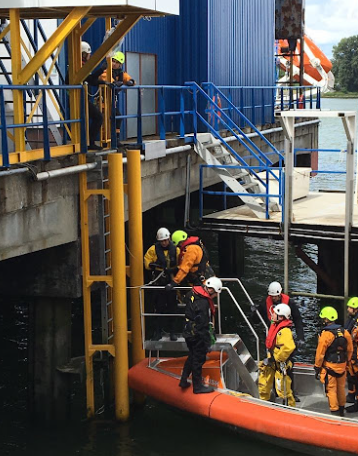
BOAT TRANSFER -BOAT LANDING
A safety course for offshore personnel on how to safely transfer between a vessel and a fixed structure like a wind turbine
- Duração: 1
- Período:
- Preço: 1,00 Kz
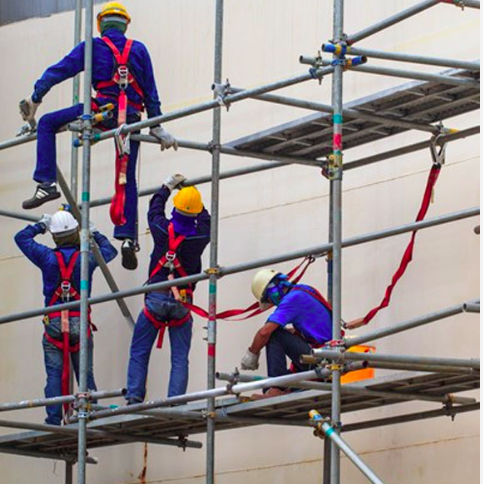
SCAFFOLDING ERECTION TRAINING
Teaches individuals how to safely and correctly assemble, use, and dismantle various types of scaffolding
- Duração: 7 Days
- Período:
- Preço: 1,00 Kz

HSE OFFICER _Certificado Internacional
A professional who develops and implements policies to ensure a safe and healthy work environment by preventing accidents, injuries, and environmental harm
- Duração: 15 dias
- Período:
- Preço: 1,00 Kz

Fire Watch Training
Fire watch training teaches personnel to identify, monitor, and respond to fire hazards, particularly during high-risk activities like welding, cutting, and grinding
- Duração: 1
- Período:
- Preço: 1,00 Kz
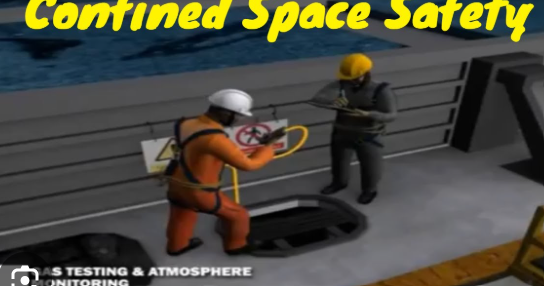
Safety Watch - hole watch in CSE
A confined space safety attendant, also known as a hole watch or Safety Wtach, is a trained individual who remains outside a confined space to monitor the safety of entrants, maintain communication, and summon emergency rescue if needed
- Duração: 1
- Período:
- Preço: 1,00 Kz

Proficiency in Survival Craft and Rescue Boats other than Fast Rescue Boats
A mandatory training course for seafarers who are assigned to command and operate survival craft and rescue boats (excluding fast rescue boats) during an emergency
- Duração: 4 Days
- Período:
- Preço: 1,00 Kz
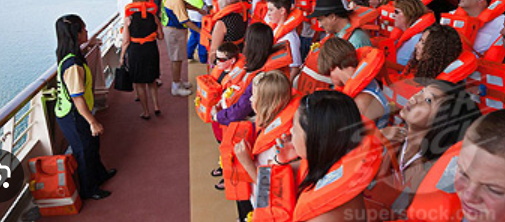
Passenger Ship Crisis Management and Human Behaviour Training
A mandatory course for crew members on passenger vessels, equipping them with skills to handle emergencies, manage passengers and crew, and maintain effective communication
- Duração: 1 Day
- Período:
- Preço: 1,00 Kz
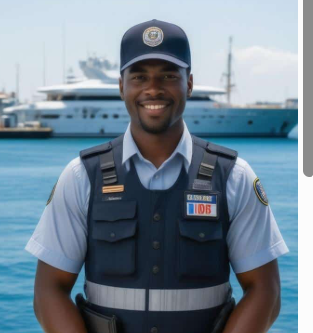
Port Facility Security Officer (PFSO)
A Port Facility Security Officer (PFSO) is responsible for developing, implementing, and maintaining a port's security plan to protect against security threats, as mandated by the International Ship and Port Facility Security (ISPS) Code
- Duração: 3 Days
- Período:
- Preço: 1,00 Kz

Ship Security Officer
A crew member appointed to ensure the security of a vessel, its crew, and cargo, and to implement the Ship Security Plan (SSP) in compliance with international regulations like the ISPS Code
- Duração: 2 Days
- Período:
- Preço: 1,00 Kz
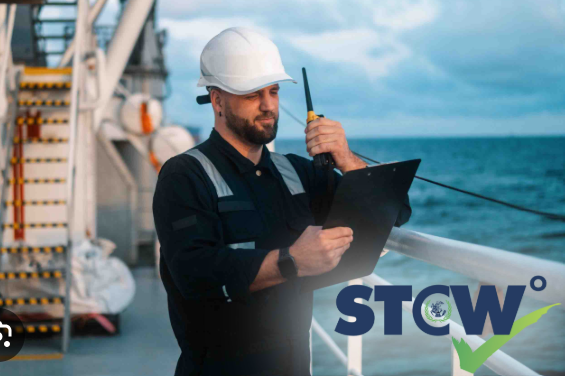
Security Training for Seafarers with Designated Security Duties (STSDSD)
A mandatory course that teaches seafarers how to perform their specific security responsibilities to protect the vessel, crew, and cargo.
- Duração: 2 Days
- Período:
- Preço: 1,00 Kz
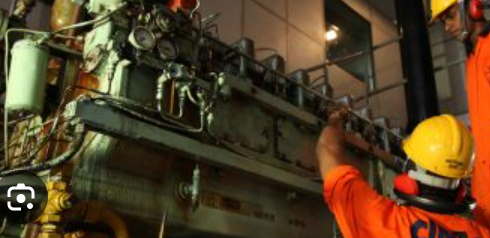
Able Seafarer Engine
An Able Seafarer Engine is a qualified rating with duties in marine engineering operations at a support level, as defined by the STCW Code (Regulation III/5). The role involves assisting with engine room watchkeeping, machinery maintenance and repair, and ensuring safe operation of electrical equipment
- Duração: 5 Days
- Período:
- Preço: 1,00 Kz
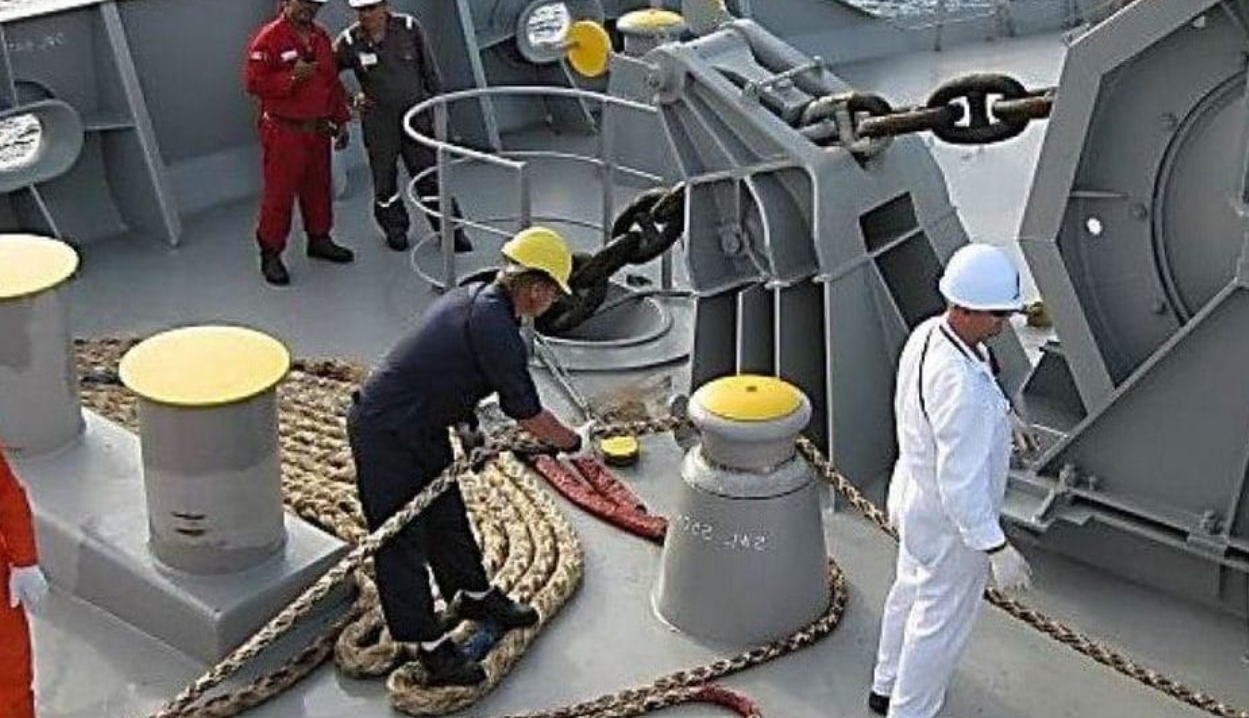
Able Seafarer Deck
The course aims to equip seafarers with the necessary knowledge and skills to perform duties at the support level, as outlined by the International Maritime Organization's (IMO) STCW code. Topics include navigation, cargo handling, ship operations, maintenance, and safety procedures.
- Duração: 5 Days
- Período:
- Preço: 1,00 Kz

Advanced Training in Fire Fighting
This course provides advanced knowledge and skills for managing and controlling fire emergencies, with specific programs available for marine (STCW) and onshore industrial situations.
- Duração: 2 Days
- Período:
- Preço: 1,00 Kz
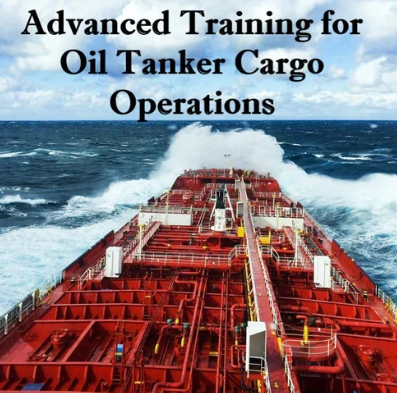
Advanced Training for Oil Tanker Cargo operations
A mandatory, specialized course for seafarers with high-level responsibility on oil tankers
- Duração: 5 Days
- Período:
- Preço: 1,00 Kz
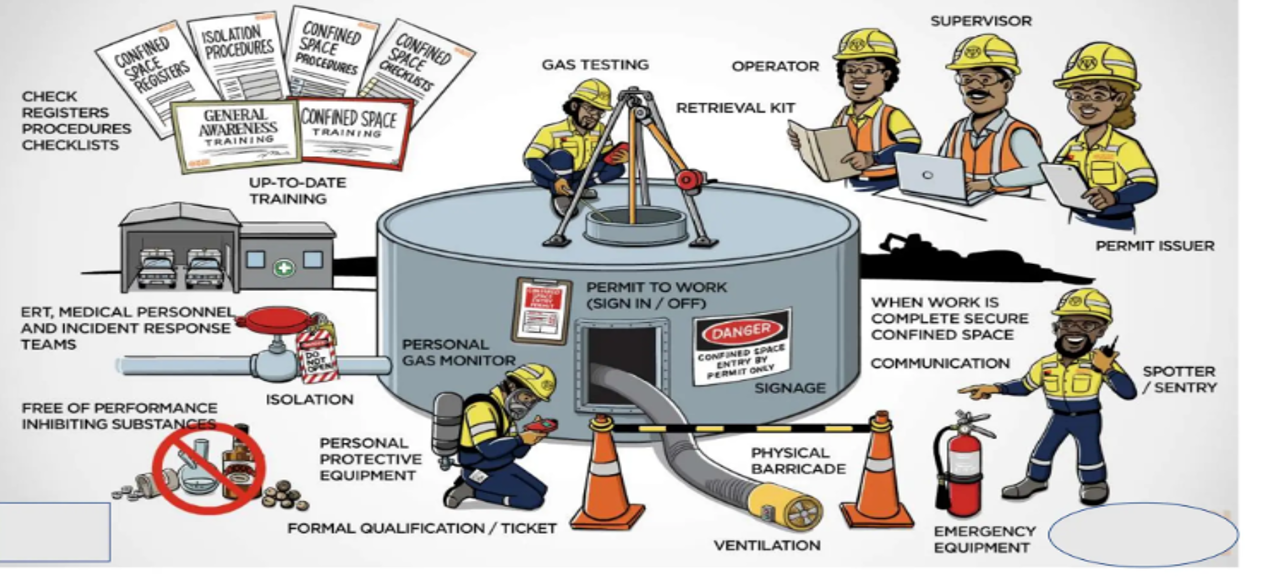
Confined Space Entry
- Duração: 1 Dia
- Período:
- Preço: 5,00 Kz

BST- BASIC SAFETY TRAINING
- Duração: 5 dias
- Período: Manh�
- Preço: 0,00 Kz
Banc1o de Dados
x
- Duração: 15 dias
- Período: Manha
- Preço: 25.000,00 Kz
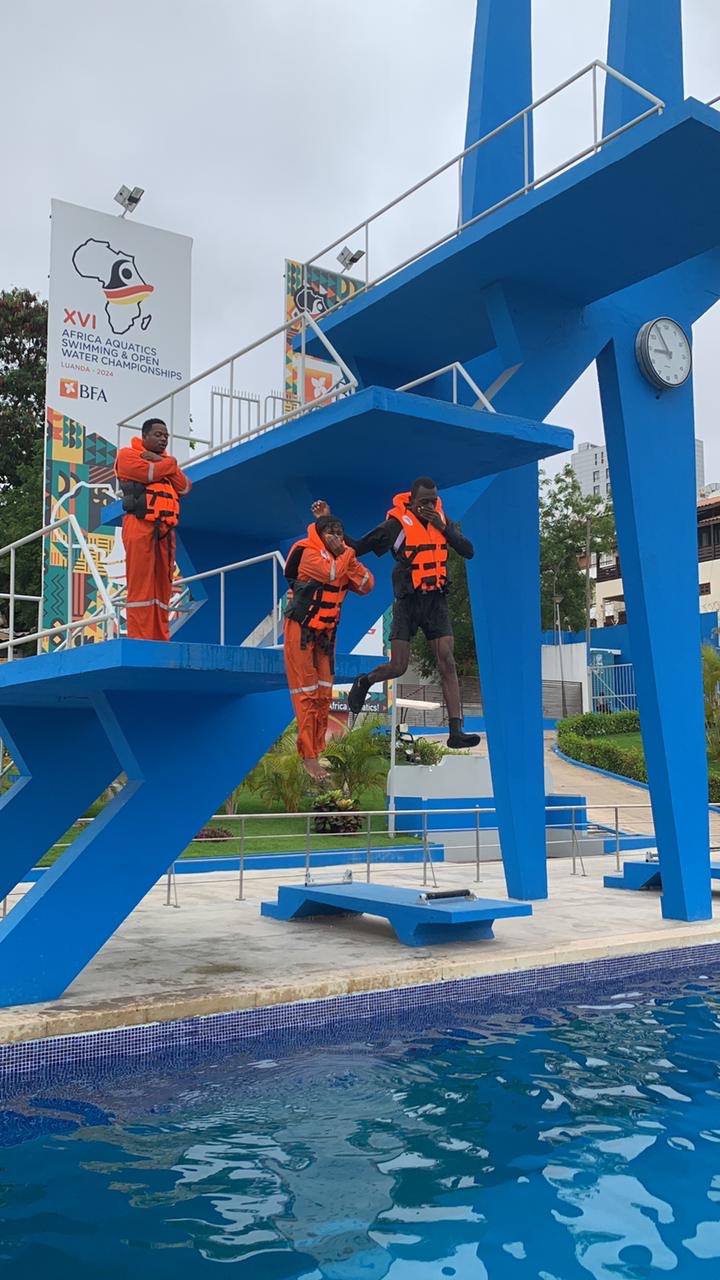
Personal Suvival Techniques- PST
Training for seafarers
- Duração: 1 Dia
- Período:
- Preço: 5,00 Kz

BST -Basic Safety Training
- Duração: 4 Dias
- Período: Manha
- Preço: 5,00 Kz